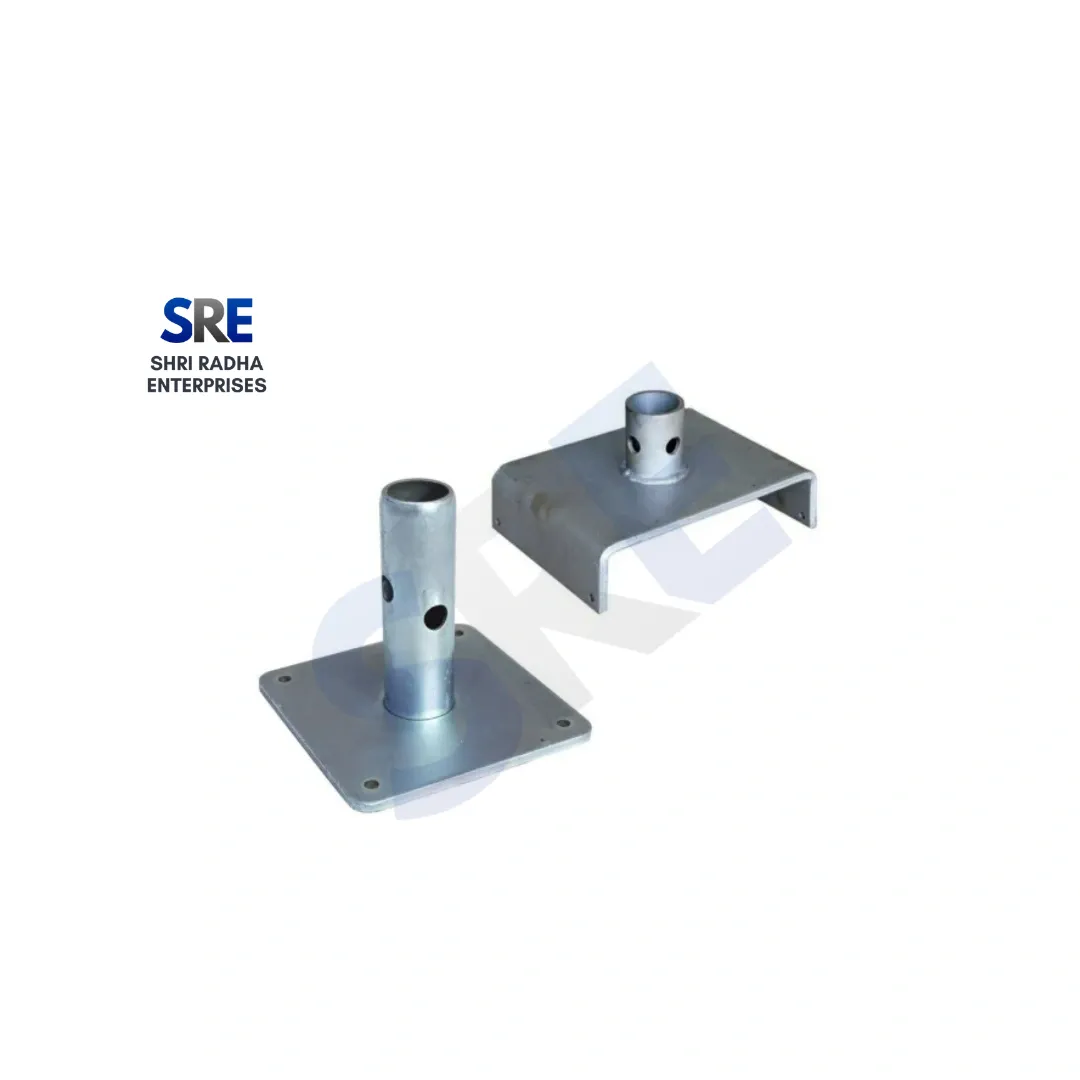
Base Plate and Its Role in Scaffolding Safety
Featured Products
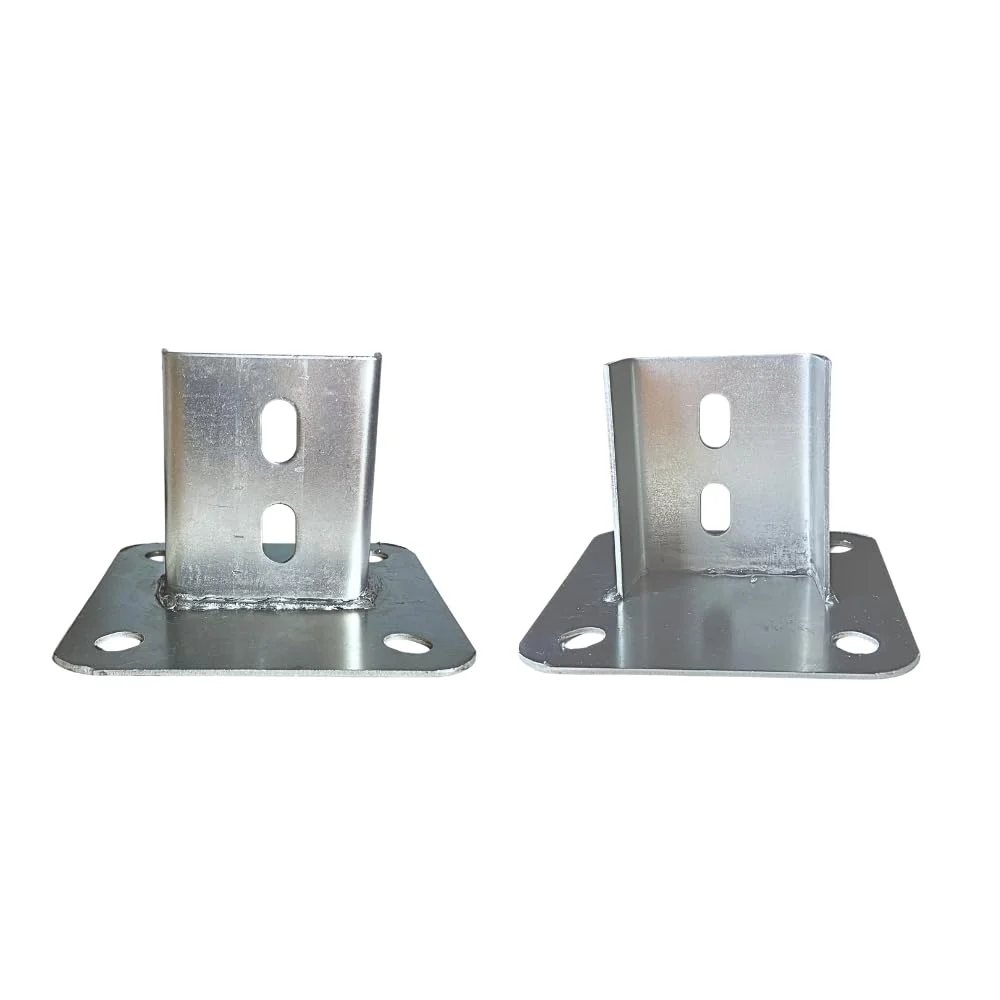
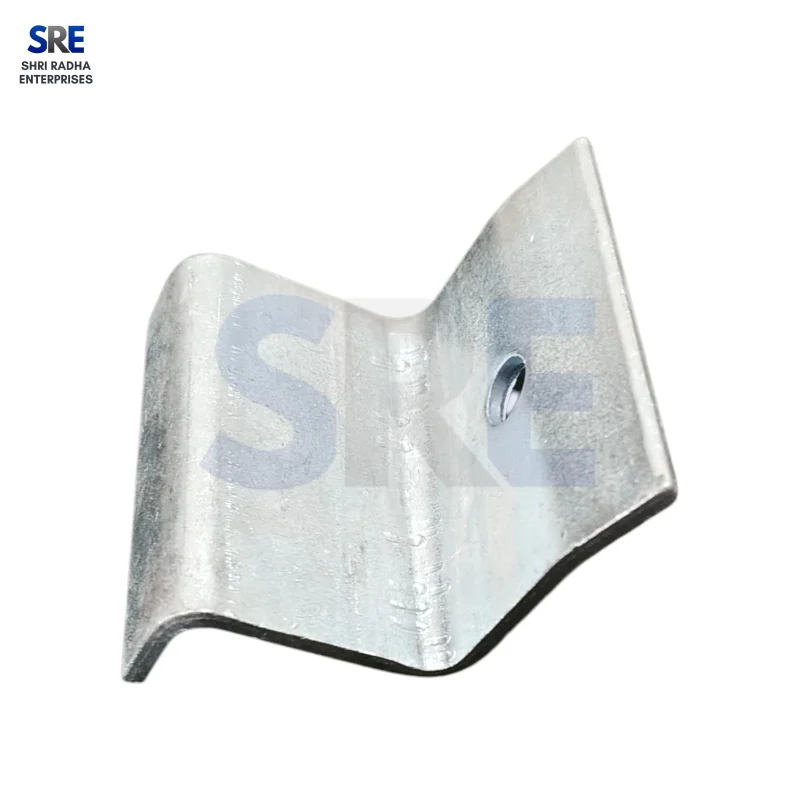
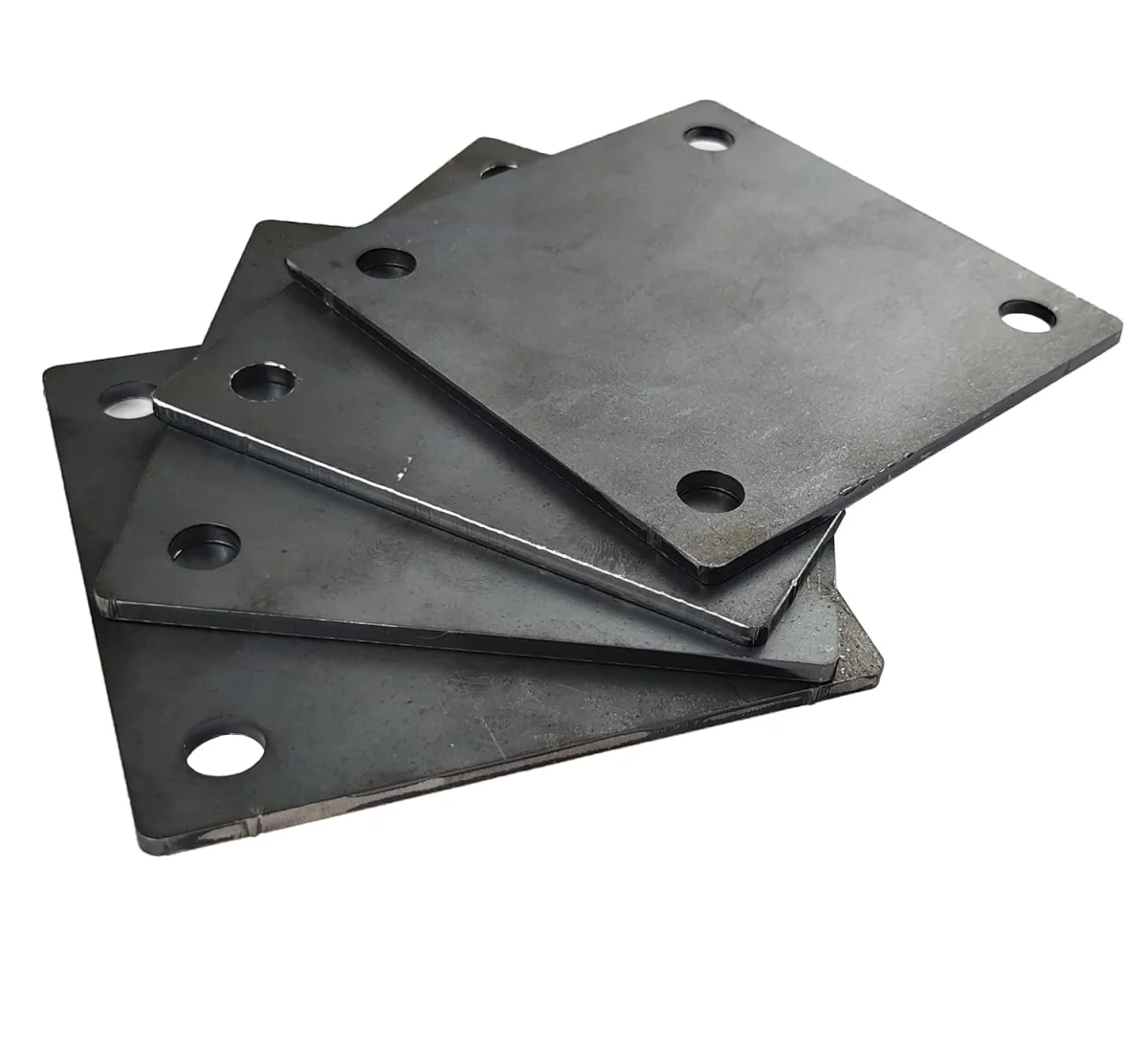
Base Plate and Its Role in Scaffolding Safety
When building any temporary structure, the primary focus is almost always on the height, the beams, and the locking systems that keep the upper tiers together. However, structural safety is an architectural math problem that works from the ground up, making the lowest point of contact the absolute foundation of site stability. This is where the Base Plate enters the picture, functioning as the fundamental layer that quietly bears the load of entire construction crews and heavy machinery. Without this single heavy-duty component distributing the immense vertical pressure, even the most advanced structural setup risks sinking, tilting, or shifting unexpectedly under real-world site conditions. ━━━━━━━━━━━━━━━━━━━━
In high-rise construction and heavy-duty industrial projects, the soil or concrete surface beneath a scaffold is rarely perfectly uniform or indestructible. Under thousands of kilograms of dead weight, unprotected ground can easily cave in or shift, leading to catastrophic structural failures. A precision-engineered Base Plate acts as a critical intermediary, absorbing the concentrated vertical forces from the standards (vertical pipes) and dispersing them safely across a wider surface area. This calculation prevents localized sinking and ensures that the scaffold remains perfectly upright throughout the project lifecycle. ━━━━━━━━━━━━━━━━━━━━
Beyond simple load distribution, these components are vital for maintaining the strict vertical alignment required by international safety standards. Even a minor deviation of a few millimeters at the ground level can multiply into dangerous swaying at a height of fifty feet. By providing a flat, rigid, and unyielding steel surface for the vertical pipes to rest upon, a high-quality Base Plate eliminates the micro-movements caused by worker movement, material loading, and strong wind currents. For any modern construction site, investing in premium ground-support components isn't just about regulatory compliance; it is the first line of defense against structural collapse.
━━━━━━━━━━━━━━━━━━━━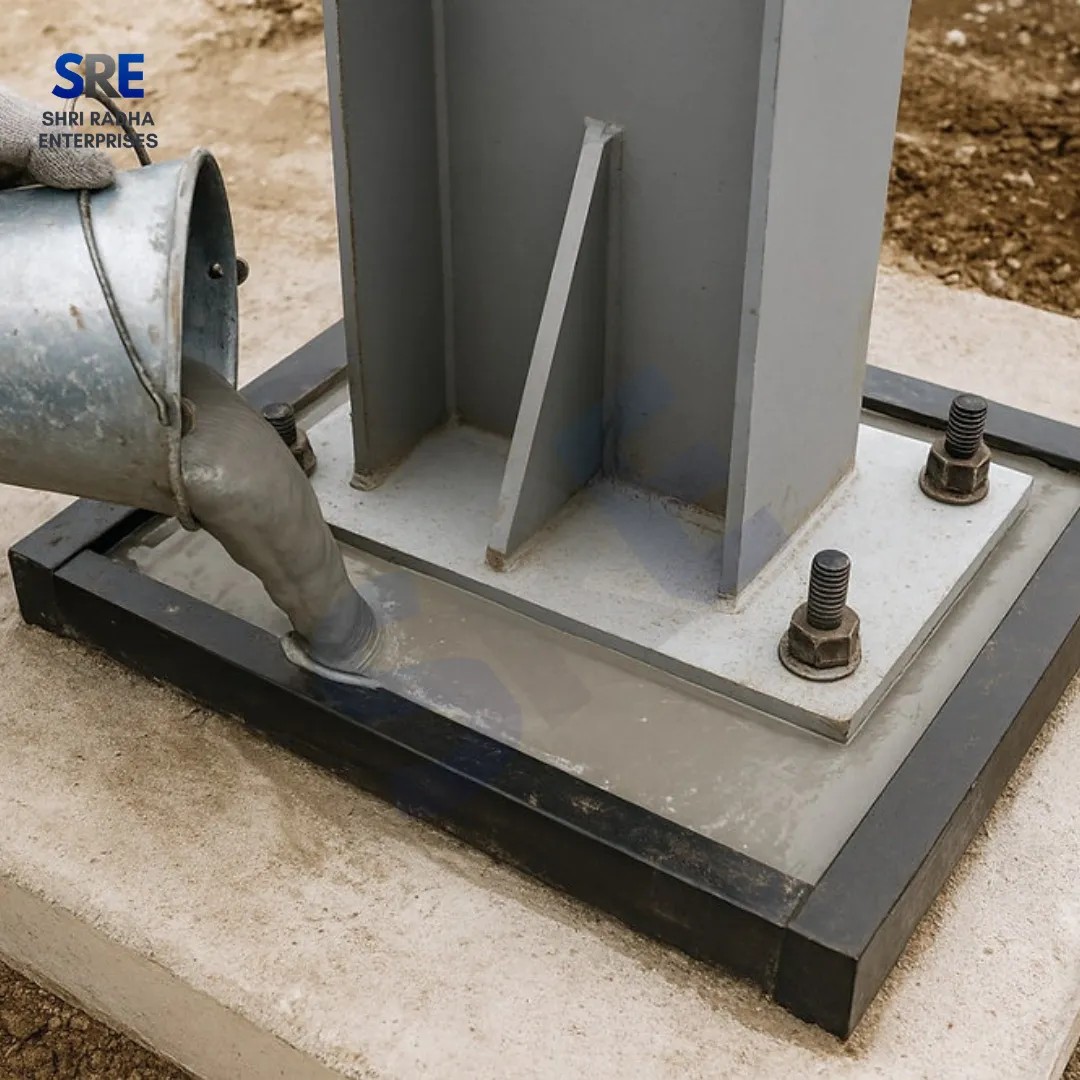 Understanding the Core Functions of a Base Plate
To appreciate why this simple piece of engineering is non-negotiable on a construction site, one must look at the specific mechanical roles it performs under pressure. A Base Plate is not just a resting block; it functions as an active structural element that continuously manages load dynamics. Below are the primary functions that make it indispensable:
- Load Distribution: The dead weight of the scaffolding tubes combined with the live weight of workers and materials creates massive downward pressure. A Base Plate takes this concentrated point load from the narrow vertical pipe and spreads it across a significantly larger surface area, reducing the pressure exerted on the ground.
- Sinking Prevention: On soft, uneven, or unpaved ground, heavy vertical loads will naturally force steel pipes directly into the soil. By utilizing a wide steel base, the component effectively counters soil penetration, keeping the entire scaffold setup perfectly level over long durations.
- Slip and Displacement Control: Construction sites are high-activity zones with constant vibrations from heavy machinery, drilling, and moving crews. The flat, rigid contact profile of a premium Base Plate ensures that the vertical standards do not skid, walk, or shift laterally from their original designated placement coordinates.
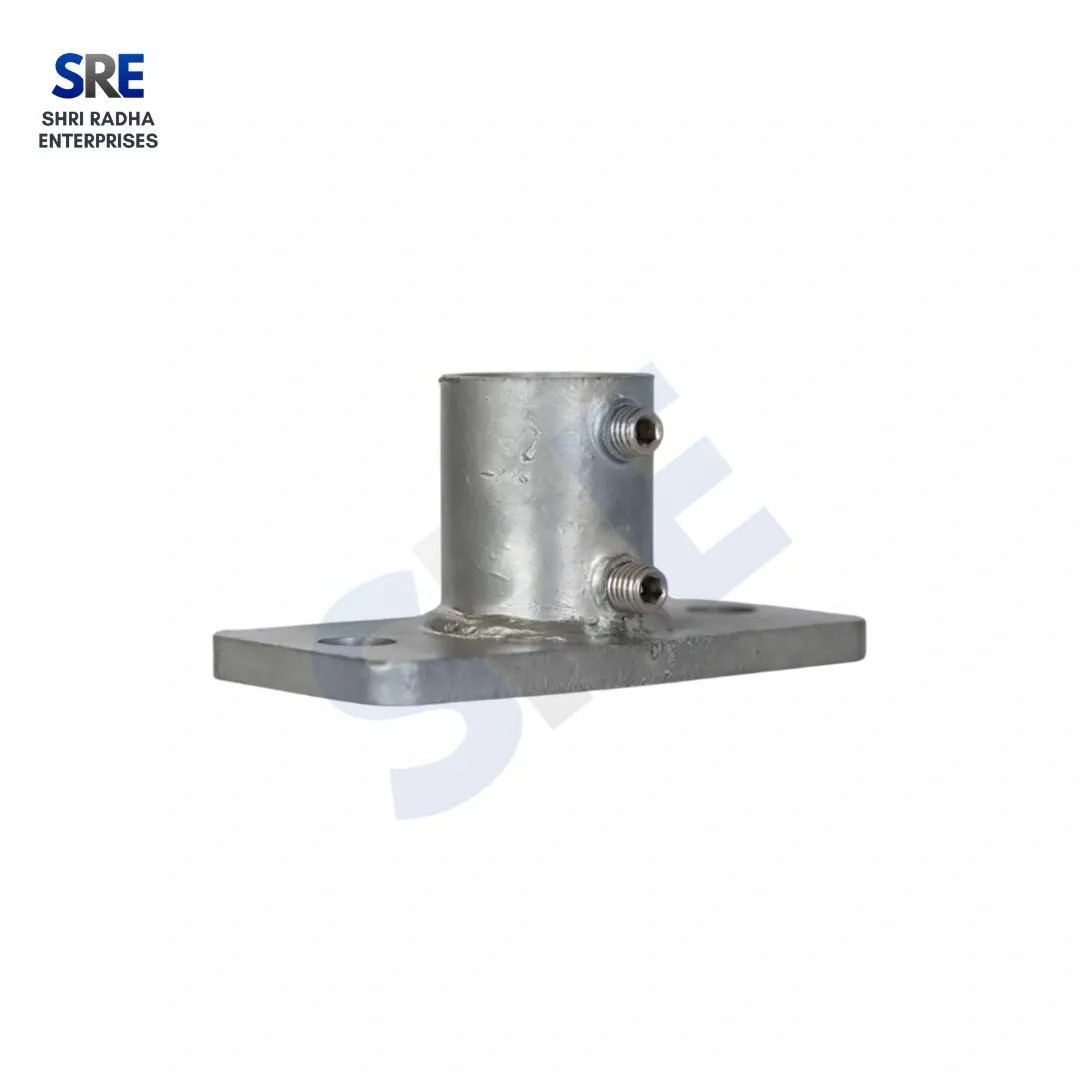 Key Engineering Specifications of High-Quality Base Plates
When selecting structural components for large-scale projects, understanding raw material grades and manufacturing precision is critical. High-performance base plates are engineered to withstand extreme environmental stress and immense vertical loads. Here are the core specifications that define a reliable, site-ready base plate:
- Premium Material Composition: Top-tier base plates are manufactured using high-grade structural steel (such as IS 2062 or equivalent carbon steel), ensuring optimal tensile strength and structural integrity under constant heavy compression.
- Corrosion Resistance & Finish: To combat harsh outdoor environments, moisture, and chemical exposure on-site, these components undergo hot-dip galvanization or receive a heavy-duty protective coating to prevent rust and material degradation.
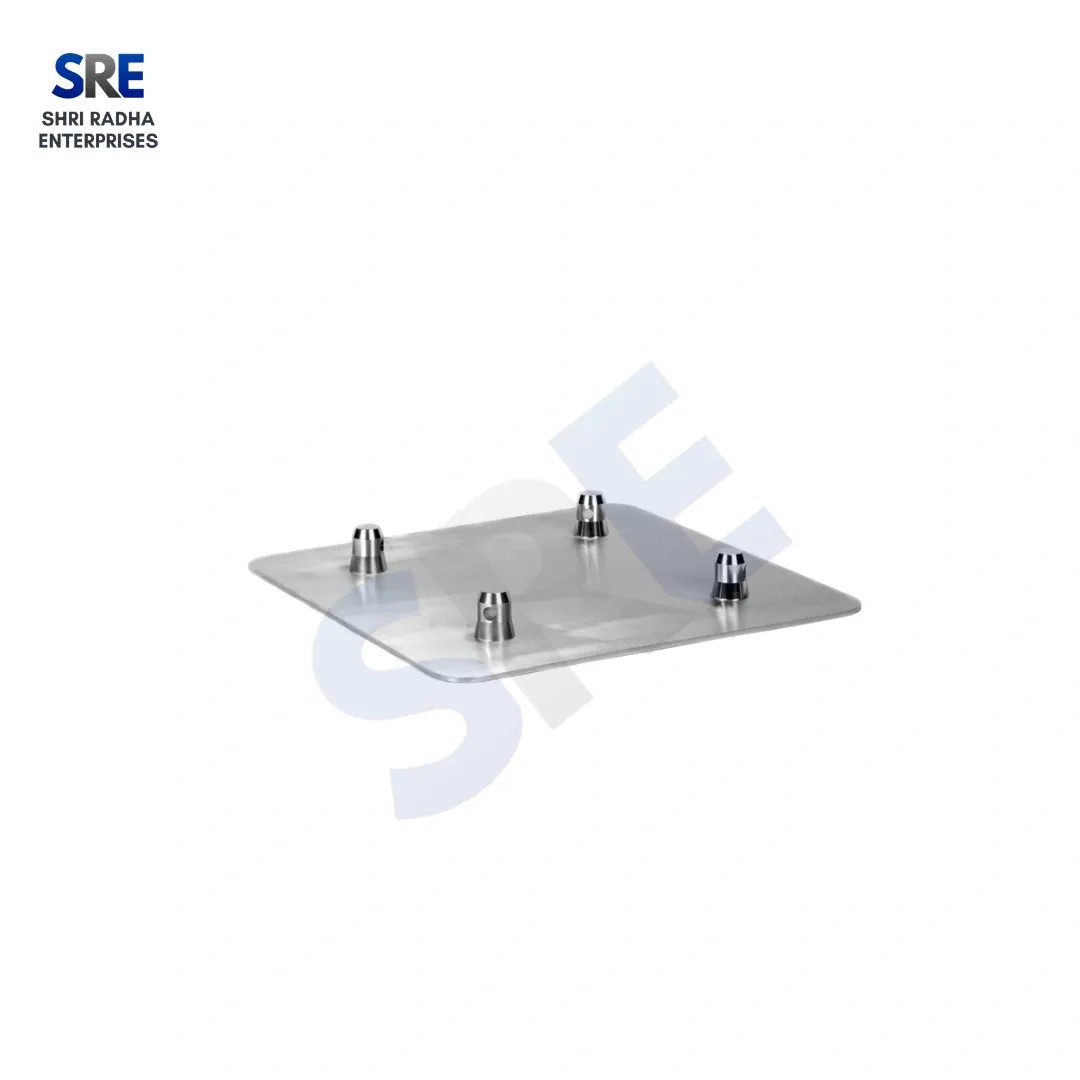
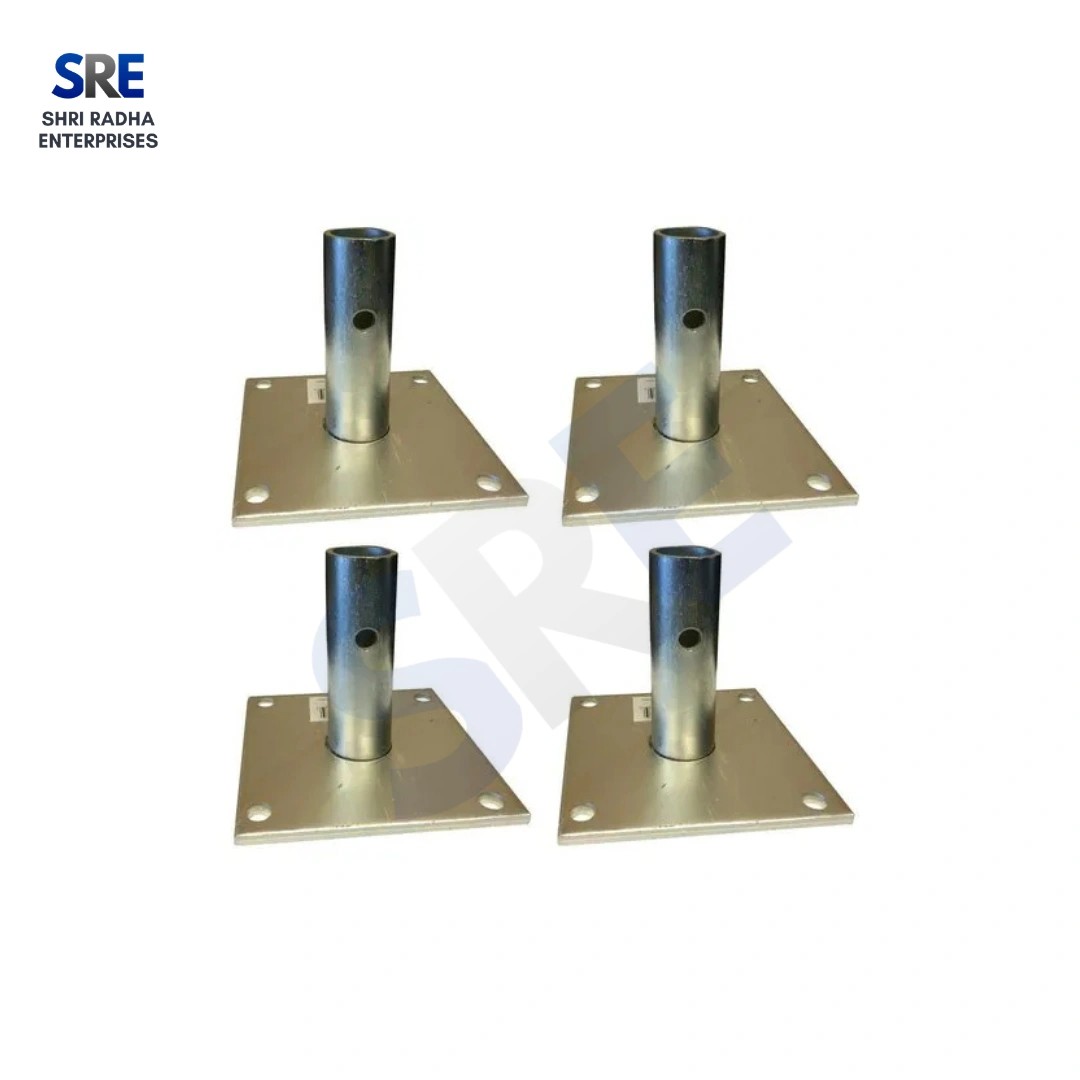
- Precision Dimensional Standards: Standard industrial base plates typically feature a robust plate size (e.g., 150mm x 150mm) with a thickness ranging from 5mm to 8mm, paired with a solid welded spigot or tube to securely receive the vertical scaffolding standards.
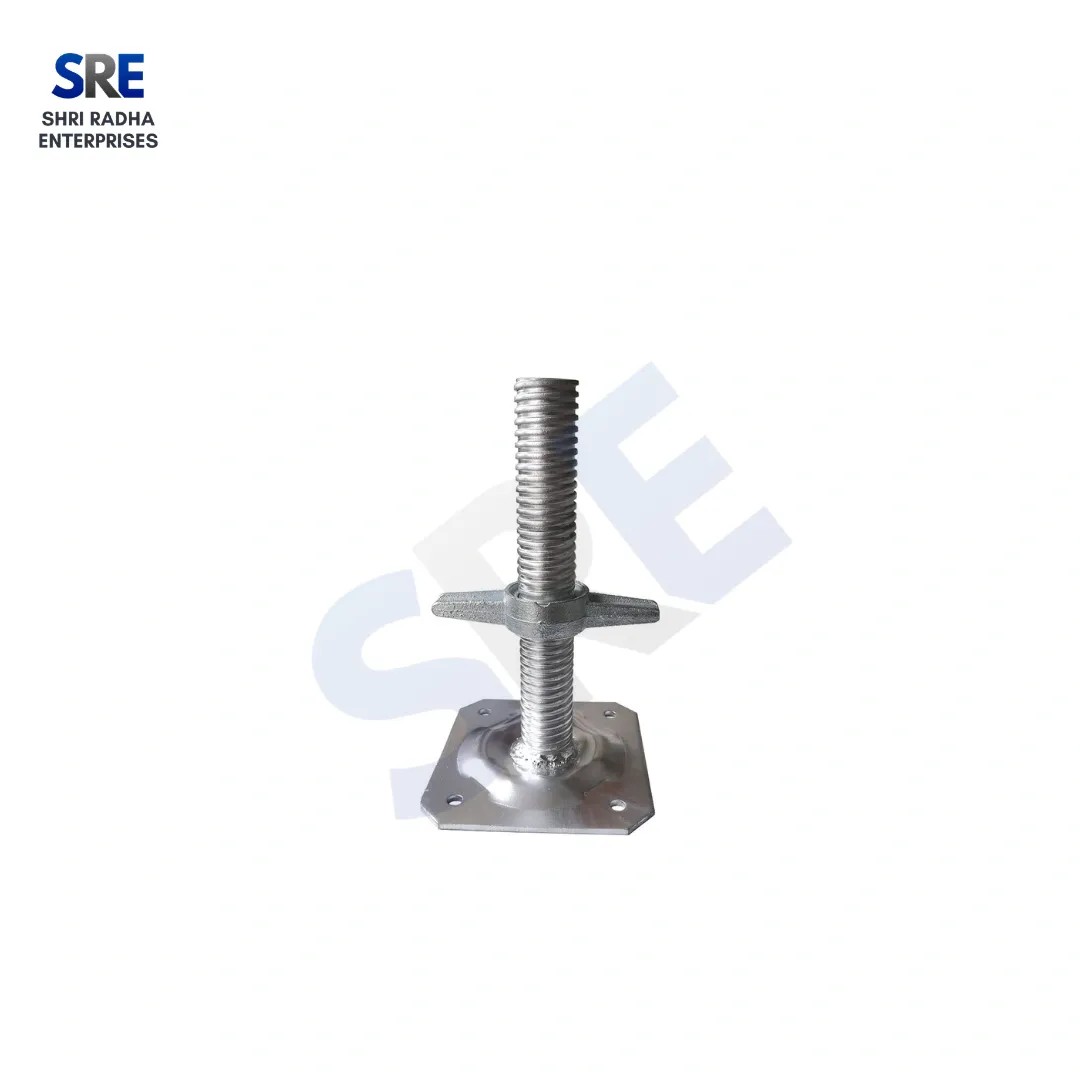
Installation Best Practices for Maximum Site Safety
Having a high-quality component is only half the battle; proper on-site execution determines its actual performance. When deploying base plates across a construction setup, structural engineers and site supervisors must adhere to strict installation protocols to eliminate structural risks.
- Ensure a Level Ground Foundation: Before placing any steel components, the ground surface must be thoroughly compacted and leveled. If the scaffold is being erected on soft soil or sand, heavy-duty wooden sole boards must be placed beneath the base plates to further distribute the structural load.
- Verify Proper Vertical Alignment: The vertical standards or scaffolding pipes must sit perfectly perpendicular ($90^\circ$) to the horizontal base plate. Any angular deviation creates a hazardous eccentric load, which drastically reduces the weight capacity of the vertical support system.
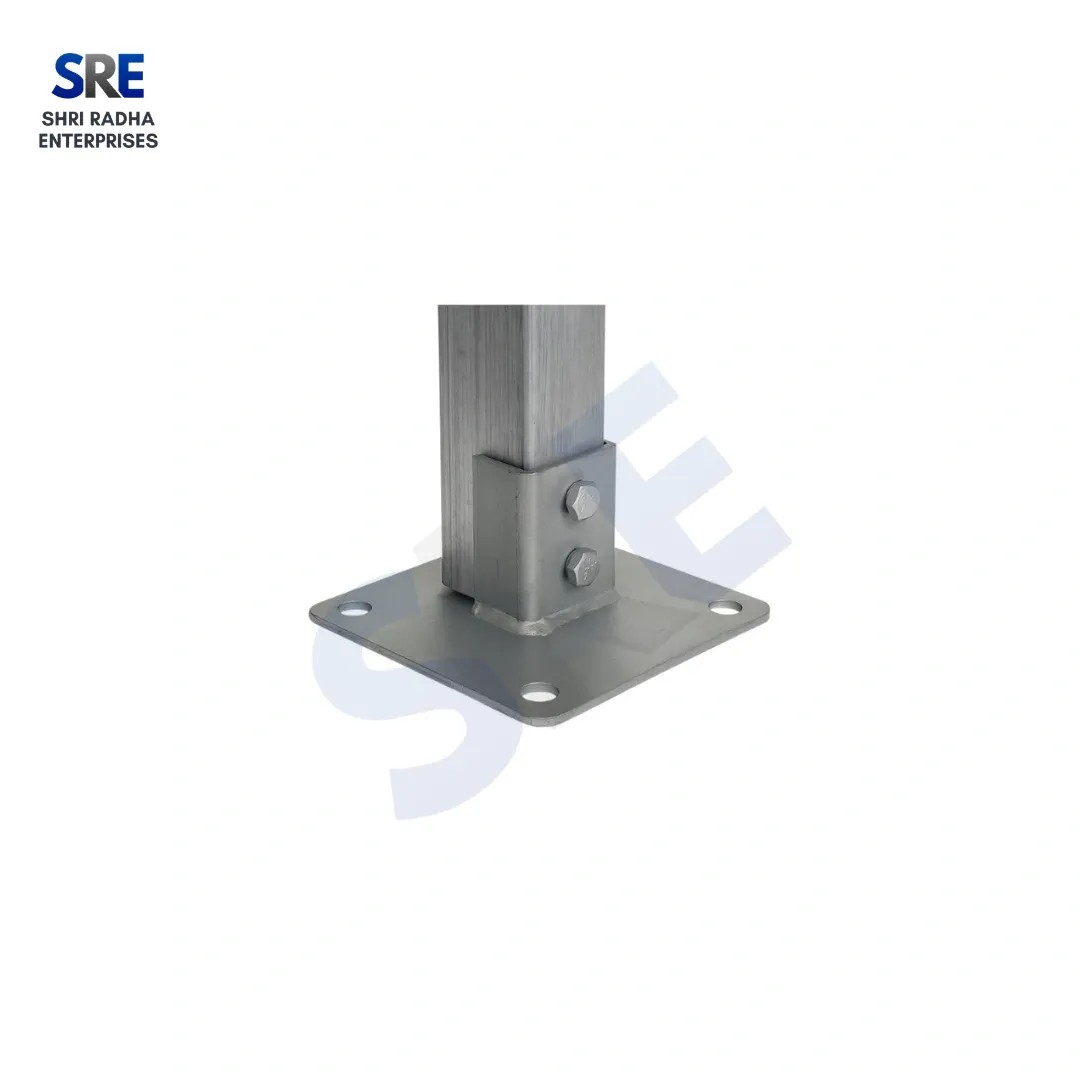
- Secure the Anchors and Fasteners: On solid concrete surfaces, base plates should be firmly anchored using mechanical bolts to prevent any lateral shifting caused by heavy structural vibrations, strong wind forces, or high-volume worker movement.
 Conclusion: Why Settling for Substandard Base Plates Risks Everything
At first glance, a base plate might look like a simple piece of cut steel, but its importance to the overall safety and stability of a scaffolding structure cannot be overstated. Compromising on raw material quality, plate thickness, or weld strength to save minor upfront costs frequently results in hazardous on-site shifting, unexpected sinking, or complete structural failure under heavy operational loads.
- The Foundation of Site Safety: A structurally sound foundation is critical for protecting onsite workers and high-value equipment. Relying on precision-engineered, high-tensile components ensures that the entire system remains rigid, level, and entirely predictable throughout the project lifecycle.
- Long-Term Performance and Savings: Choosing industrial-grade, corrosion-resistant base plates reduces long-term operational costs by minimizing component wear, preventing structural maintenance delays, and lowering material replacement rates across multiple project deployments.
- Zero Tolerance for Structural Risk: In high-rise and industrial environments, even a minor ground-level shift can escalate into a major hazard at height. Partnering with a reliable, quality-focused manufacturing partner ensures that every component is built to survive the harshest real-world demanding applications.
 FAQs Regarding Base Plates and Scaffolding Safety
1. Why is a base plate required if the ground surface is already solid concrete?
Even on a solid concrete surface, the narrow, raw edge of a vertical scaffolding pipe concentrates immense weight onto a tiny point load. This high concentration can damage or crack the concrete over time, or cause the metal tube itself to deform under pressure. A base plate evenly distributes that weight and provides critical corner anchoring points to prevent the system from shifting laterally due to operational vibrations or wind loads.
2. Can we use wooden blocks instead of steel base plates on soft soil?
No, wooden blocks (known as sole boards or mudsills) cannot replace a steel base plate; instead, they must be used together. On soft soil, you must first place the heavy-duty wooden sole board down to spread the load across the earth, and then place the engineered steel base plate directly on top of the wood to securely hold the vertical pipe and prevent it from cutting through the timber.
3. What is the difference between a standard flat base plate and an adjustable base plate?
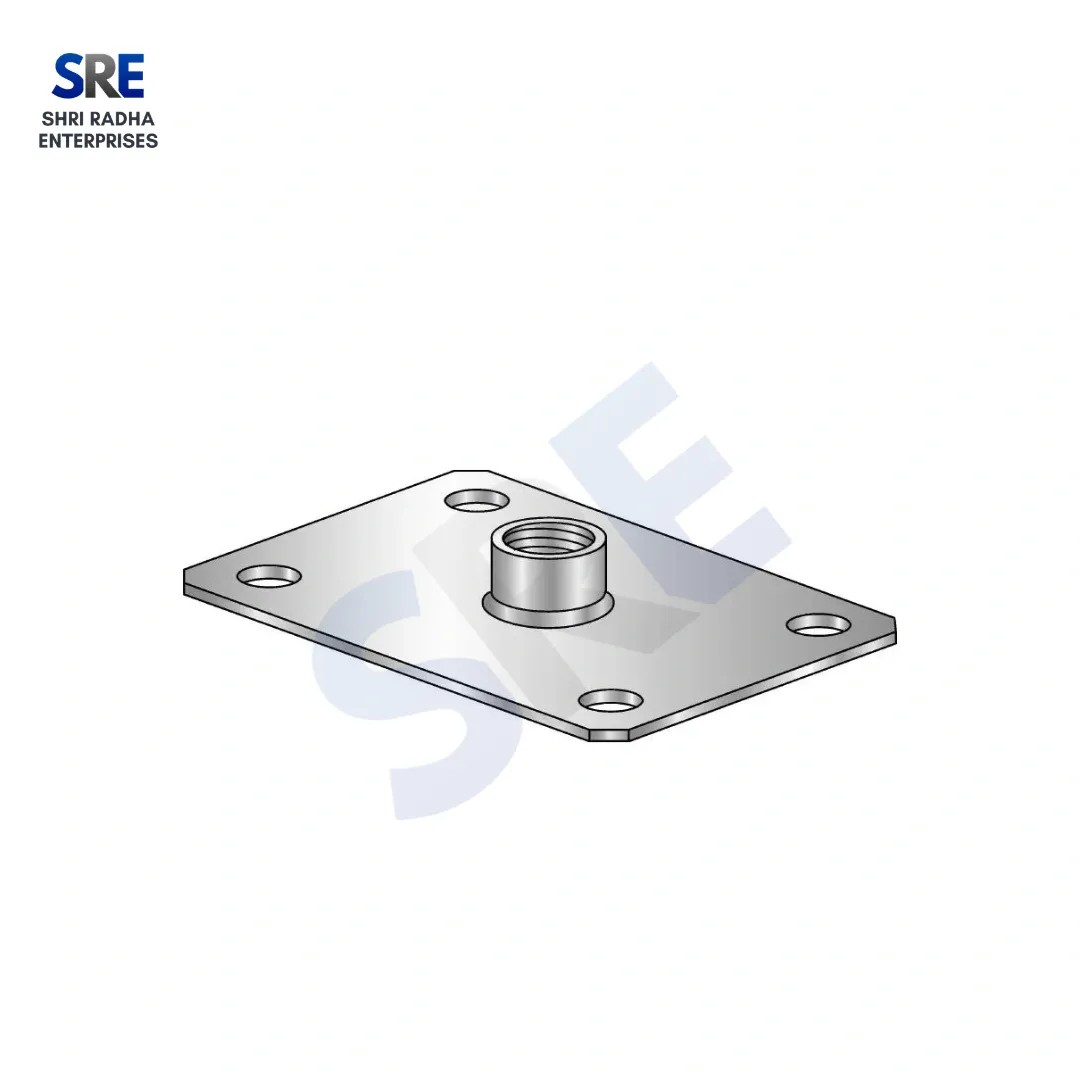
A standard flat base plate is a fixed steel component used on perfectly level surfaces where no height compensation is required. An adjustable base plate (often integrated with a threaded screw jack) allows site workers to precisely raise or lower individual vertical standards, making it absolutely essential for maintaining a perfectly level scaffolding grid on uneven ground, slopes, or stepped surfaces.
4. What is the standard thickness of a heavy-duty scaffolding base plate?
For standard industrial and commercial construction projects, a reliable base plate typically features a thickness ranging from 5mm to 8mm. This specific thickness ensures that the steel plate does not bend, warp, or crack under intense vertical compression and high structural load demands.
5. How often should installed base plates be inspected on a construction site?
Base plates should be inspected daily before shifts begin, and immediately following major environmental changes like heavy rainfall, high winds, or nearby deep excavation work. Safety supervisors must check for any signs of ground sinking, loose anchoring bolts, structural rust, or shifting beneath the vertical standards.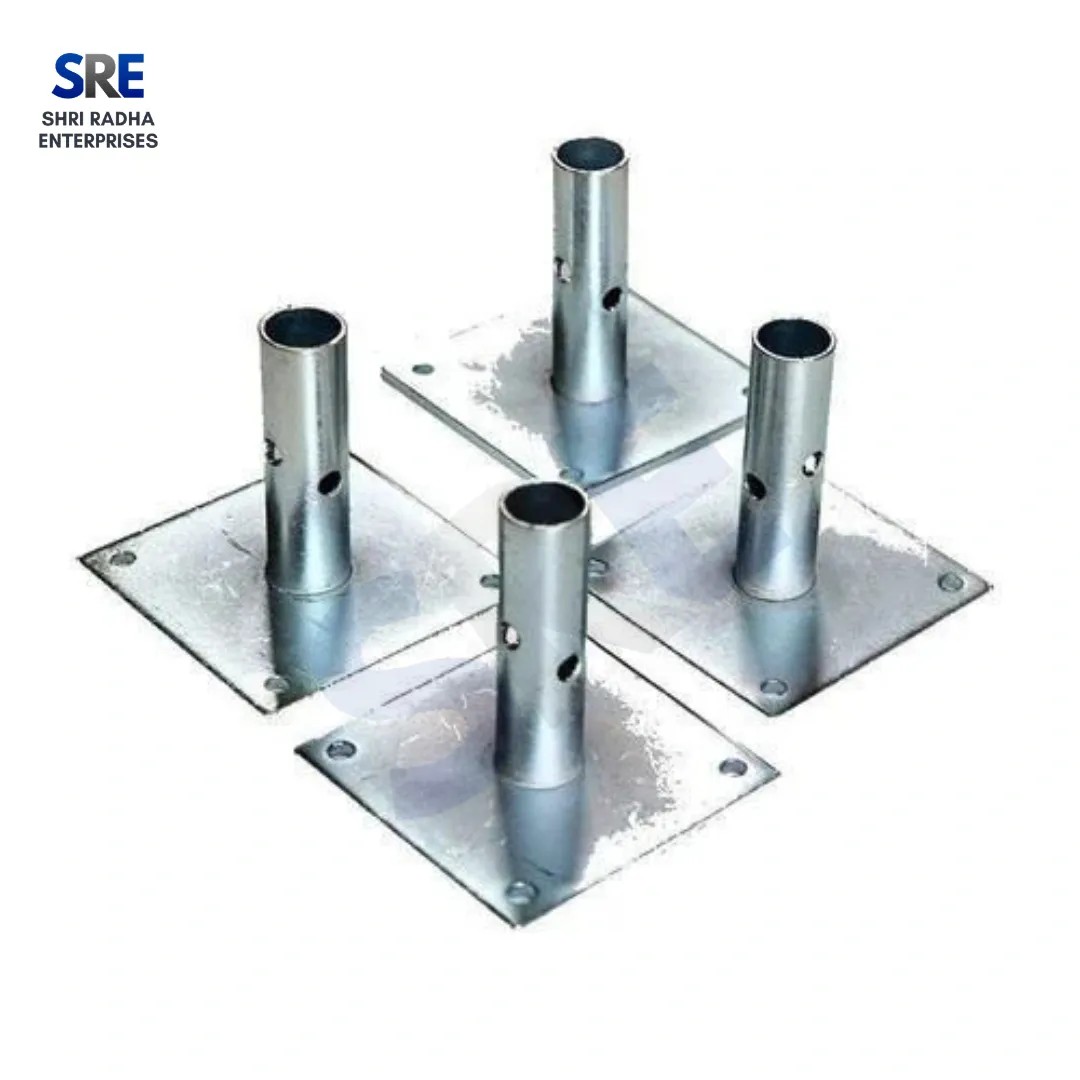 Key Factors to Consider When Choosing a Base Plate Manufacturer
Selecting the right manufacturing partner for your structural components involves more than just comparing price quotes. To ensure project safety and long-term asset durability, structural engineers and procurement teams should evaluate suppliers based on specific quality markers:
- Manufacturing Standards & Certifications: A reliable manufacturer must adhere to strict industrial compliance protocols (such as IS standards or equivalent global criteria) to guarantee that every batch of steel delivers uniform weight-bearing capacity.
- In-House Testing Facilities: Top-tier manufacturers subject their base plates to rigorous quality checks, including weld-strength testing, tensile load analysis, and coating thickness verification, ensuring zero defects before dispatch.
Customization and Scale Capabilities: Projects often demand distinct dimensional adjustments, plate thicknesses, or specific spigot diameters. A capable engineering partner should possess the infrastructure to deliver tailored specifications efficiently at high volumes.
Comprehensive Procurement Checklist for B2B Buyers
When sourcing industrial scaffolding components at scale, procuring the wrong specification can halt site operations and cause significant financial friction. Use this quick technical checklist before finalizing any bulk purchase order:
- Steel Grade Verification: Ensure the manufacturer provides material test certificates confirming the use of structural steel (like IS 2062) to guarantee uniform weight-bearing capacities across all units.
- Coating and Protection Check: Confirm whether the components are hot-dip galvanized or heavily powder-coated to ensure long-term rust prevention in wet or humid outdoor environments.
- Dimensional Precision: Match the plate size, thickness (5mm to 8mm), and spigot/tube diameter perfectly with your existing vertical scaffolding standards or cup-lock systems to avoid loose fitting.
- Load Rating Compliance: Request verified structural load test reports from the supplier to prove the plates can handle the maximum dead and live loads calculated by your project engineers.
 Why Choose Shri Radha Enterprises as Your Trusted Base Plate Partner?
When it comes to manufacturing high-tensile scaffolding components, Shri Radha Enterprises combines premium material grades with precise engineering to deliver maximum on-site safety. We understand that a base plate is the foundation of your entire structural system, and we build them to survive the most demanding industrial environments. Here is what sets our manufacturing process apart:
- Uncompromised Structural Integrity: We use only premium-grade certified structural steel, ensuring every base plate delivers uniform load distribution and flawless compression resistance under massive weight loads.
- Advanced Corrosion Protection: All our steel components undergo rigorous hot-dip galvanization or receive heavy-duty protective finishes to prevent rust, scaling, and material degradation in harsh outdoor conditions.
- Precision Engineering & Secure Fit: Our advanced manufacturing facility ensures perfect dimensional accuracy, meaning every spigot, threading system, and corner anchoring hole aligns seamlessly with your vertical standards.
- Scalable B2B Supply & Customization: Whether your project requires standard dimensions, heavy-duty plate thicknesses (5mm to 8mm), or tailored structural modifications, we have the infrastructure to deliver high-volume orders right on schedule.
Shri Radha Enterprises Team
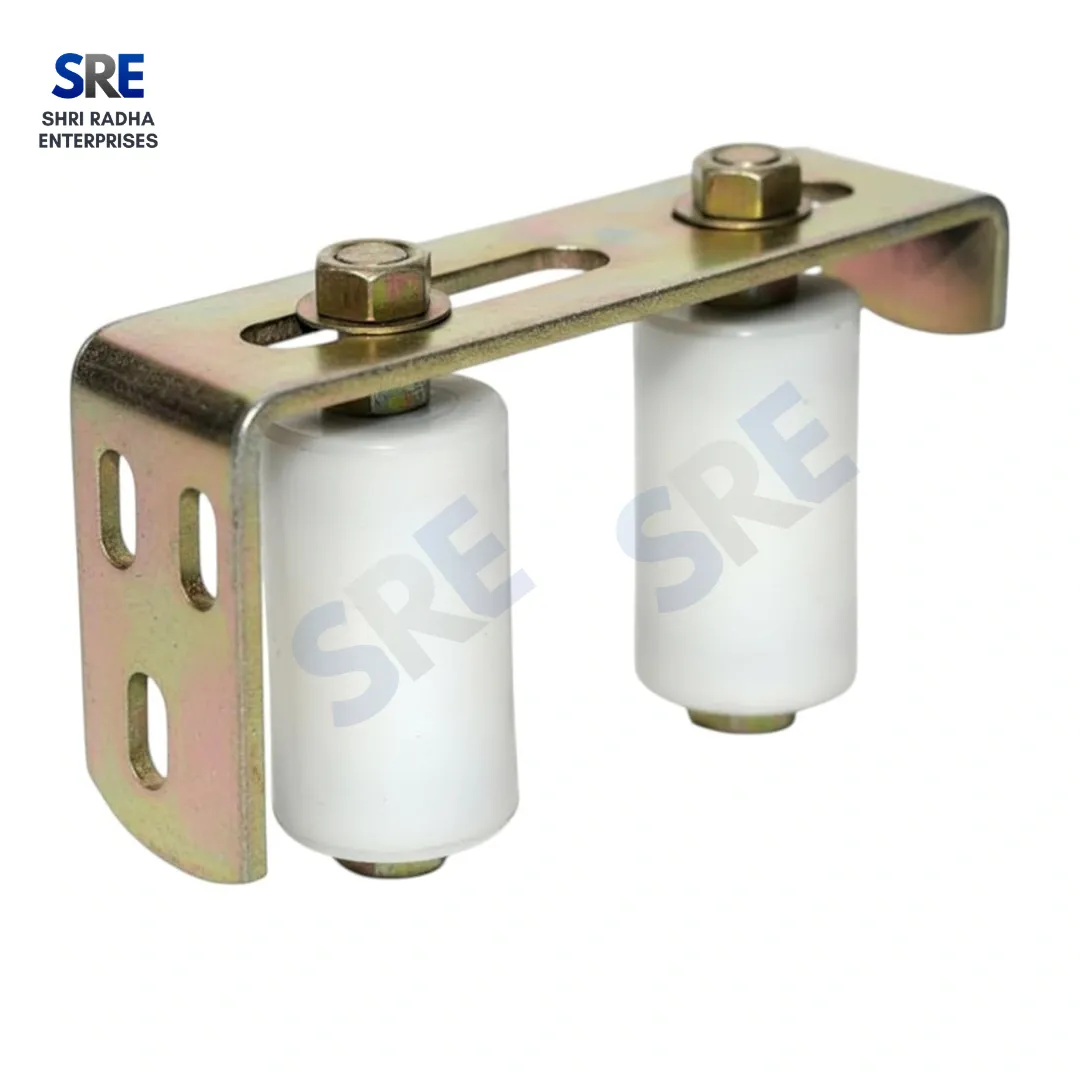
We specialize in nylon rollers, sliding gate wheels, gate hardware, scaffolding items, cuplock systems, and accessories.