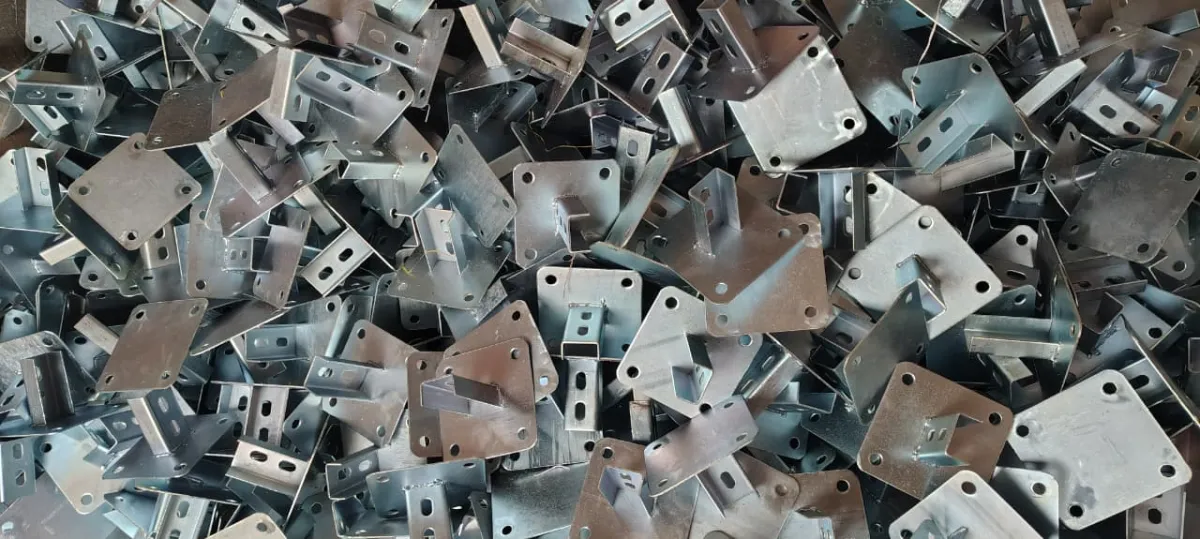
Solar Base Plate Thickness Guide: How to Choose the Right Thickness for Solar Mounting Structures (2026)
Featured Products
Solar Base Plate Thickness Guide: How to Choose the Right Thickness for Solar Mounting Structures (2026)
Selecting the correct Solar Base Plate Thickness is one of the most important decisions when designing a reliable and long-lasting solar mounting structure. While many buyers focus on the size or finish of the base plate, the thickness directly affects its strength, load-bearing capacity, structural stability, and overall safety. Choosing an incorrect thickness can lead to excessive bending, poor load distribution, increased maintenance costs, or even structural failure under heavy wind or environmental loads.
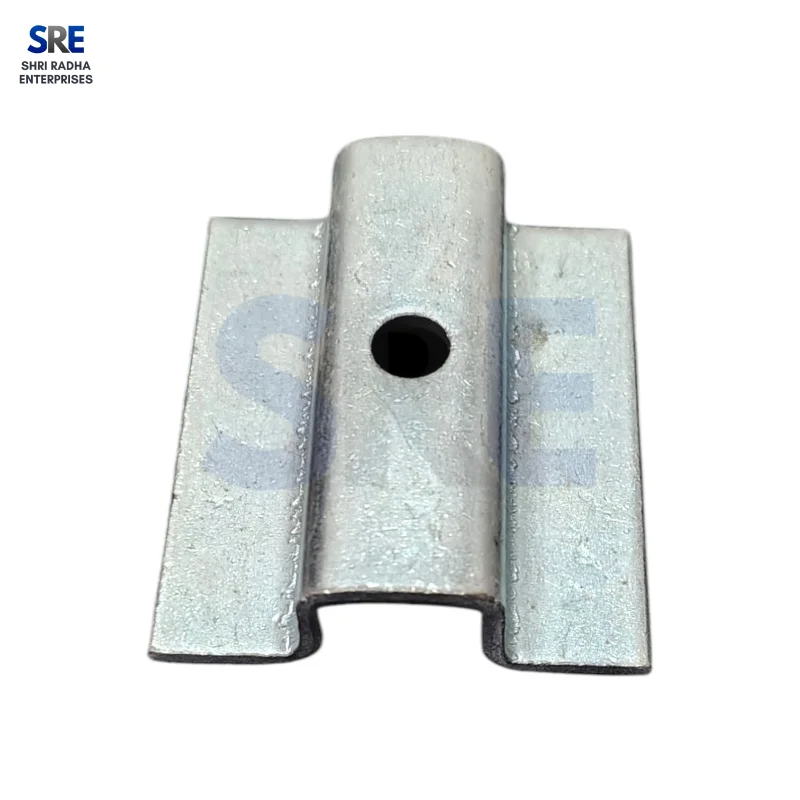
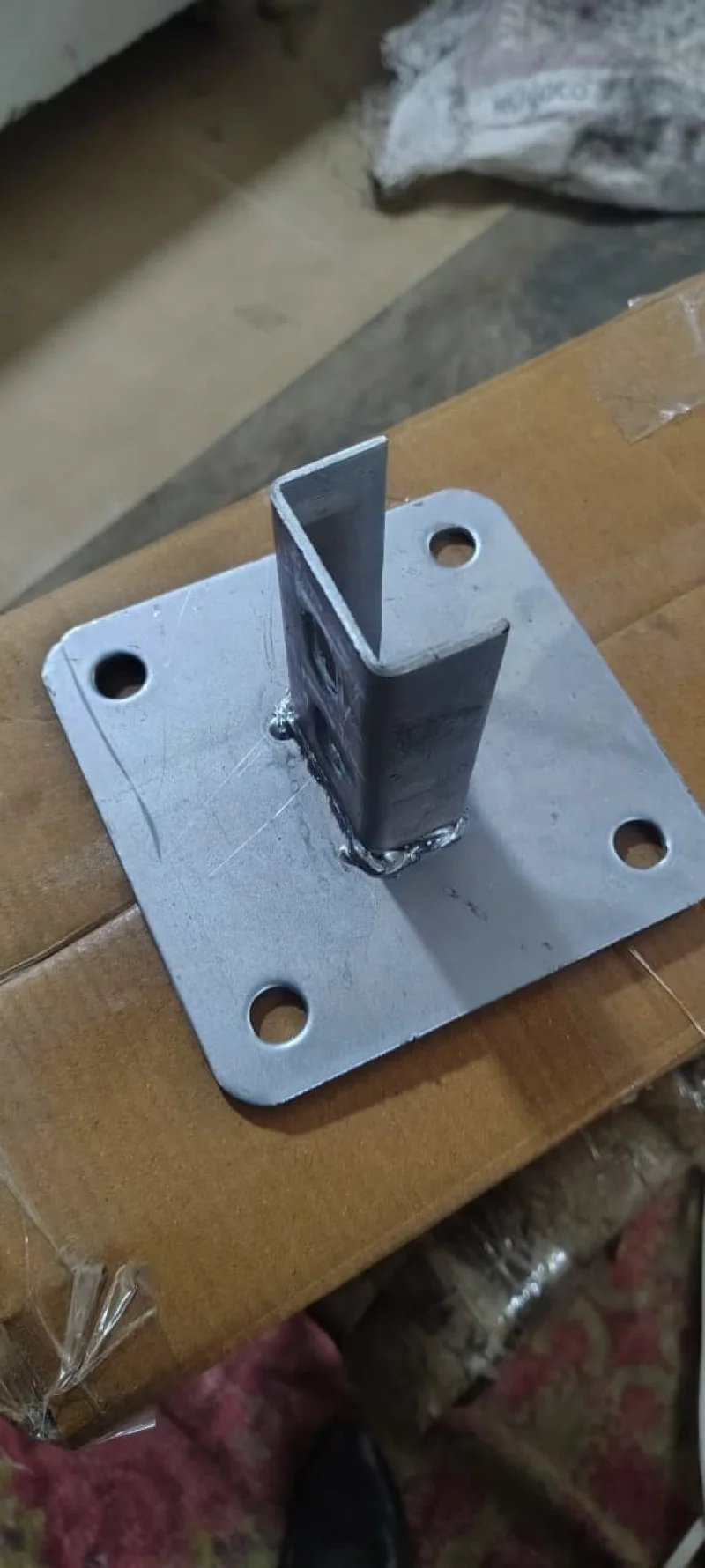
A Solar Base Plate serves as the connection between the mounting structure and the foundation. It transfers the weight of solar panels, support channels, and external forces safely into the concrete base. Because every solar project has different design loads and environmental conditions, there is no single thickness suitable for every application.
Whether you are installing a residential rooftop system, a commercial solar plant, or a utility-scale solar farm, understanding the importance of Solar Base Plate Thickness helps ensure maximum structural performance and long-term reliability.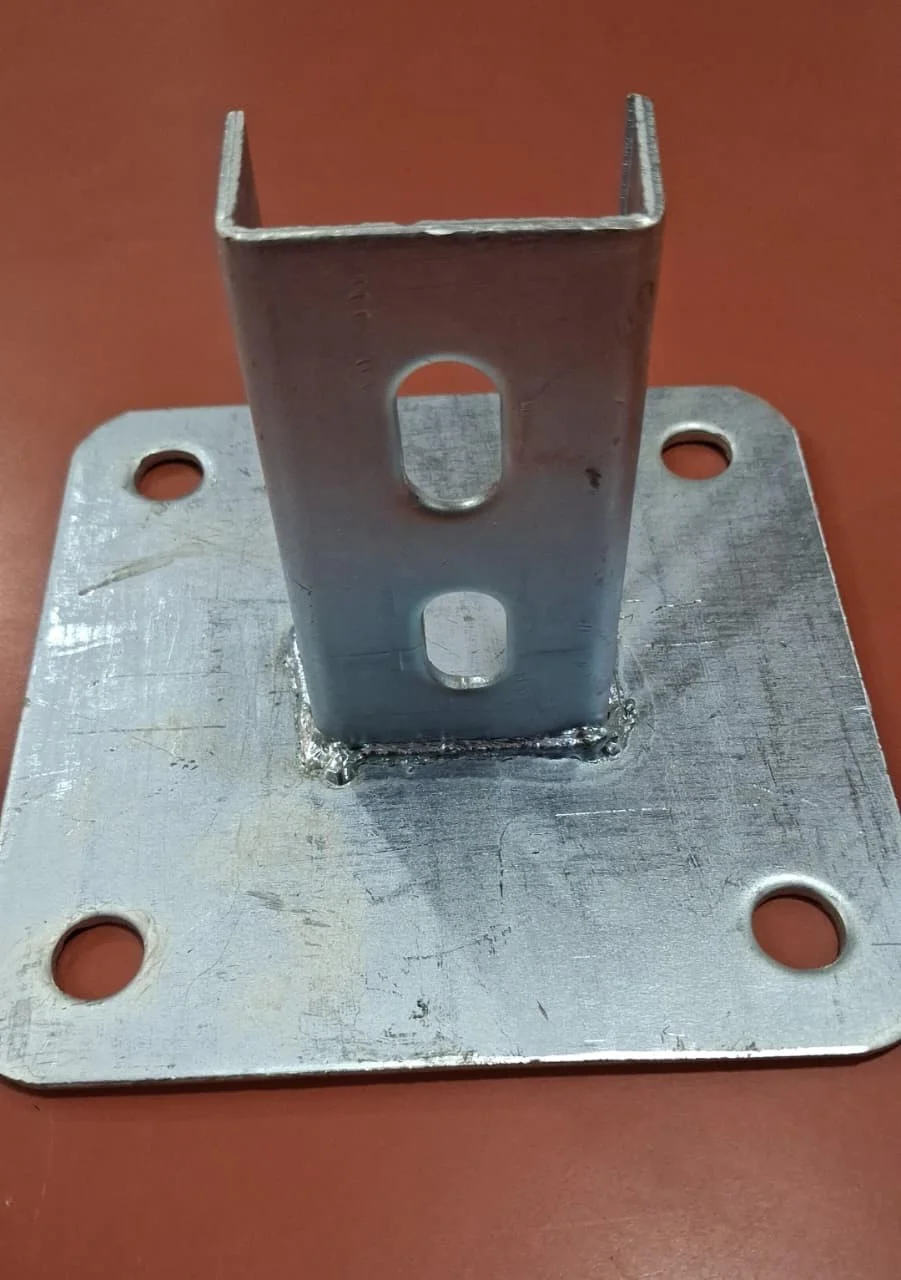
Why Base Plate Thickness Matters
The thickness of a Solar Base Plate determines how effectively it can resist bending, vibration, and structural stress. A thicker plate generally offers higher load-bearing capacity and improved durability, while an unnecessarily thick plate can increase project costs without providing additional benefits.
Selecting the correct thickness requires considering factors such as project size, wind load, foundation design, mounting structure, and engineering calculations.
Common Solar Base Plate Thicknesses
The most commonly used Solar Base Plate Thicknesses include:
- 2.5 mm – Suitable for light-duty residential rooftop systems.
- 3 mm – Ideal for standard rooftop and small commercial installations.
- 4 mm – Recommended for medium-load commercial projects.
- 5 mm – Used for industrial solar mounting structures requiring additional strength.
- 6 mm and Above – Preferred for heavy-duty and utility-scale solar projects with high structural loads.
The final selection should always follow project-specific engineering requirements.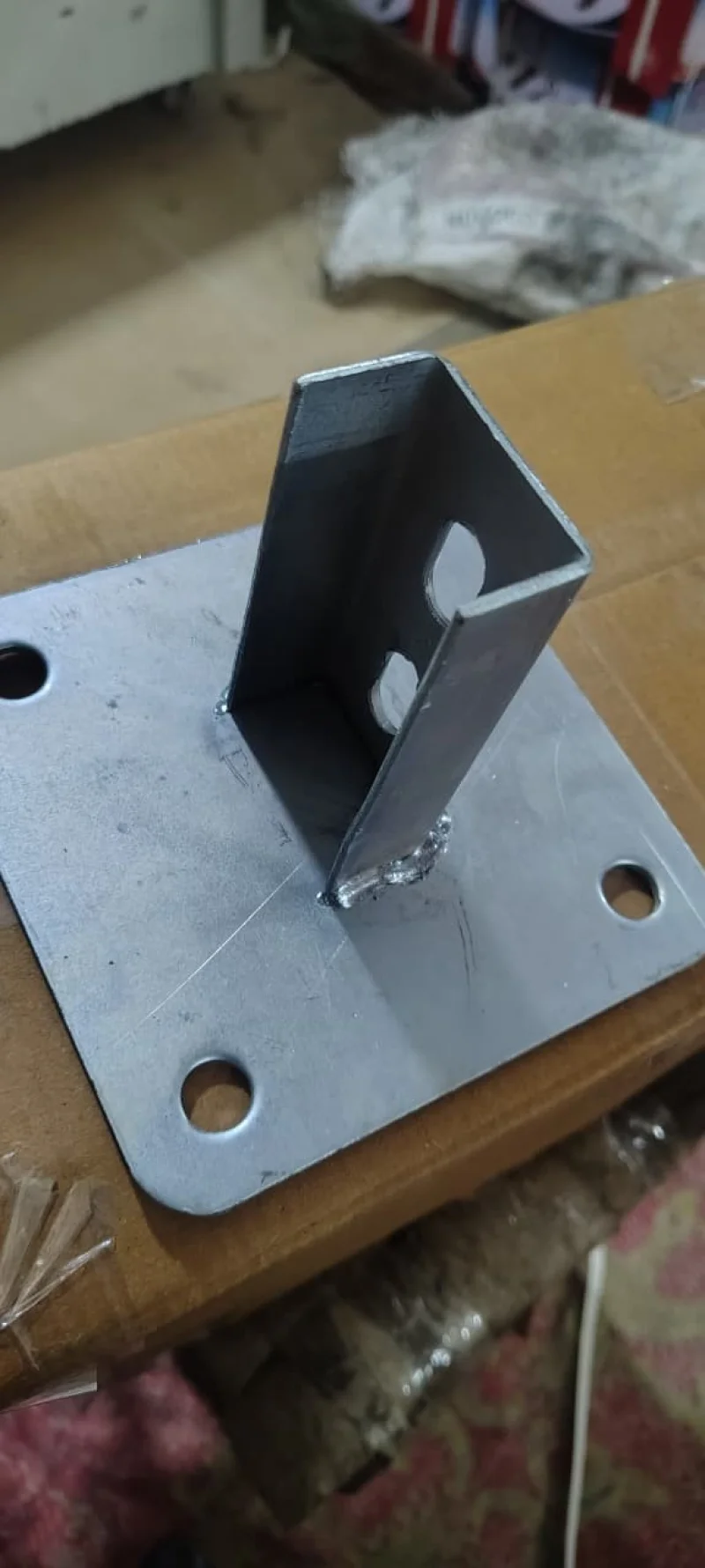
Factors to Consider When Choosing Thickness
Several factors influence the ideal Solar Base Plate Thickness:
- Total structural load
- Wind speed in the installation area
- Size of the solar mounting structure
- Height of the support structure
- Type of foundation
- Bolt size and hole pattern
- Environmental conditions
- Applicable engineering standards
Choosing the correct combination of these factors ensures maximum safety and long-term structural performance.
Benefits of Choosing the Correct Thickness
Using the correct Solar Base Plate Thickness offers several advantages:
- Improved structural strength
- Better load distribution
- Enhanced safety
- Reduced maintenance costs
- Longer service life
- Better resistance to vibration
- Improved stability during strong winds
- Higher reliability for long-term solar projects
Common Mistakes Buyers Make
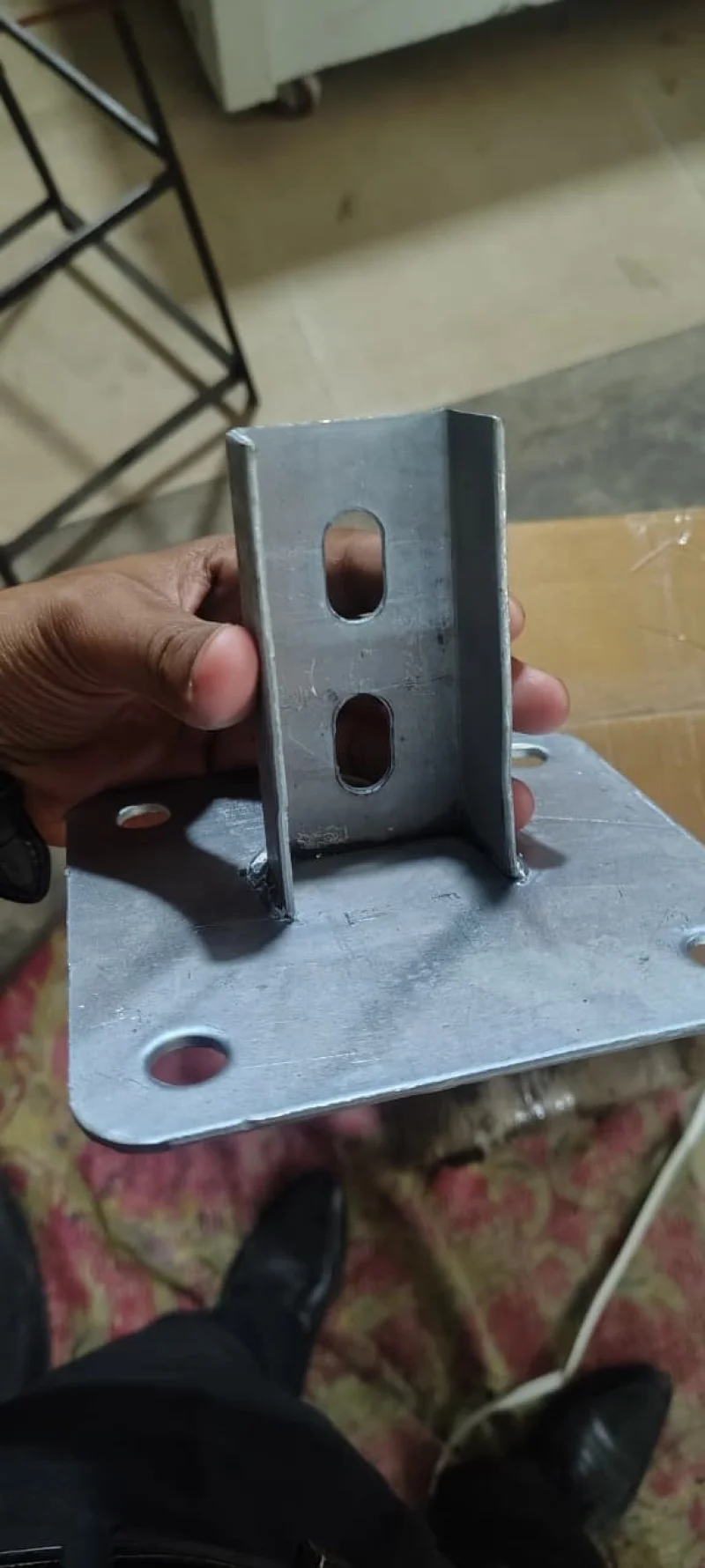
Many buyers select a base plate only based on price. Some common mistakes include:
- Choosing thinner plates to reduce costs
- Ignoring engineering calculations
- Selecting incorrect hole configurations
- Using non-galvanized plates for outdoor applications
- Purchasing from unverified manufacturers
Avoiding these mistakes helps improve project quality and reduces future maintenance expenses.
Why Choose SRE Manufacturer
At SRE Manufacturer, we manufacture premium-quality Solar Base Plates in multiple thicknesses to suit different residential, commercial, industrial, and utility-scale solar projects.
Our products feature:
- Premium Mild Steel
- Precision CNC Cutting
- Accurate Hole Punching
- Strong MIG Welding
- Custom Thickness Options
- Hot-Dip Galvanized Finish
- Bulk Manufacturing
- Fast Delivery
- Quality Inspection Before Dispatch
Frequently Asked Questions
Which Solar Base Plate Thickness is best?
The ideal thickness depends on the project's structural design, expected load, wind conditions, and engineering specifications.
Is a thicker base plate always better?
Not necessarily. The correct thickness should balance strength, safety, and cost based on the project's engineering requirements.
Can I order custom thickness?
Yes. SRE Manufacturer provides customized thicknesses according to project drawings and customer requirements.
Which finish is recommended?
For outdoor solar installations, Hot-Dip Galvanized (HDG) finish is highly recommended because it provides superior corrosion resistance and extends the service life of the base plate.
Conclusion
Choosing the right Solar Base Plate Thickness is essential for building a safe, durable, and efficient solar mounting structure. By considering structural loads, environmental conditions, and engineering specifications, buyers can ensure long-term performance while minimizing maintenance costs. Whether you need standard or custom thickness options, SRE Manufacturer delivers precision-engineered Solar Base Plates designed to meet the demanding requirements of modern solar projects.
Shri Radha Enterprises Team
We specialize in nylon rollers, sliding gate wheels, gate hardware, scaffolding items, cuplock systems, and accessories.